A clicking shoulder, a deep ache when you reach overhead, or a nagging weakness that refuses to settle after weeks of rest are often the first signs of a SLAP tear. It is one of the most commonly missed shoulder injuries, particularly in overhead athletes, and one that demands a specialist assessment to diagnose correctly.
Dr. Kushalappa Subbiah is a Shoulder, Elbow and Sports Orthopaedic Surgeon based in Bangalore, with dedicated fellowship training at the Sydney Shoulder Research Institute in shoulder surgery. He has extensive experience managing SLAP tears in competitive athletes and active individuals across all age groups.
What is SLAP Tears?
The shoulder is a ball-and-socket joint. The socket, called the glenoid, is lined by a ring of firm cartilage known as the labrum. This structure deepens the socket, improves joint stability, and anchors the long head of the biceps tendon at the top of the shoulder.
SLAP stands for Superior Labrum Anterior to Posterior, which means a tear of the top portion of the labrum running from the front to the back of the socket. This disrupts the point where the biceps tendon attaches to the bone, resulting in a shoulder that feels unstable, painful overhead, and often produces a catching or clicking sensation.
Types of SLAP Tears
Type I
The labrum shows fraying at the top but the biceps anchor remains attached. Common in older adults as part of natural wear. Rarely requires surgery.
Type II
Both the labrum and the biceps anchor are torn away from the glenoid rim. The most frequently diagnosed type and the most likely to require surgical intervention, particularly in active patients and athletes.
Type III
A bucket-handle fragment tears and folds into the joint, causing locking and catching. The biceps anchor remains intact.
Type IV
The tear extends from the labrum into the biceps tendon itself. The most complex type, often requiring a combined surgical approach.
Causes
Overhead and throwing athletes are the most vulnerable group. Repeated overhead motions during cricket bowling, freestyle swimming, tennis serving, and volleyball spiking place cyclical stress on the labrum and biceps anchor. Over months and seasons, this repetitive microtrauma leads to a progressive tear. Kabaddi players and wrestlers who sustain repeated traction forces through the shoulder are equally at risk.
Single-event trauma is the other common mechanism. A fall on an outstretched arm, a sudden jerk through the shoulder, or a forceful anterior dislocation can tear the labrum in a single moment. In these patients, the onset is sharp and immediate.
In patients over 40, natural degeneration of the labrum makes Type I fraying increasingly common, even without a specific traumatic event.
Symptoms
- A deep ache at the front or top of the shoulder, worsening with overhead movement or throwing
- A catching, clicking, or popping sensation felt inside the joint during movement
- Weakness during throwing, pushing, or overhead activities, often described as a loss of power
- A sense that the shoulder feels loose or unstable, particularly noticed during sport
- Biceps pain or tenderness at the front of the shoulder, sometimes extending into the upper arm
- Symptoms that persist despite rest, often for weeks or months before a correct diagnosis is reached
- In athletes: a noticeable drop in performance before significant pain develops
Diagnosis
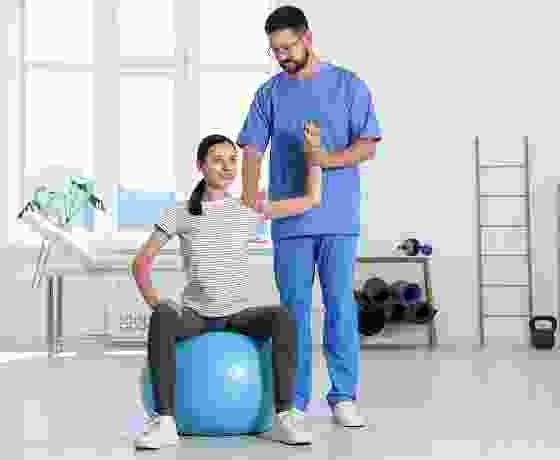
An accurate diagnosis requires a skilled clinical examination alongside imaging. During your consultation, Dr. Kushalappa will perform specific tests including the O’Brien Active Compression Test and Speed’s Test, which are designed to stress the labrum and biceps anchor and reproduce your symptoms.
This is followed by MRI, or more precisely an MRI arthrogram, an MRI with contrast injected into the shoulder joint, which is the gold standard for visualising the labrum and biceps anchor. MRI findings must always be interpreted alongside the clinical examination, as labral changes can appear on imaging as a normal age-related finding.
Treatment
Arthroscopic SLAP Repair
For Type II, III, and select Type IV SLAP tears in active patients and athletes, arthroscopic labral repair is the primary surgical treatment. Using keyhole incisions, an arthroscope for visualisation, and bioabsorbable suture anchors, Dr. Kushalappa reattaches the torn labrum and biceps anchor back to the glenoid rim. The procedure is minimally invasive, performed under general anaesthesia, and typically completed as a day procedure. Recovery involves a sling for 4 to 6 weeks, physiotherapy from 2 weeks post-surgery, and return to overhead sport at 6 to 9 months.
Subpectoral Biceps Tenodesis
In SLAP tear presentations in patients over 35 to 40, or where labral tissue quality is insufficient for reliable repair, Dr. Kushalappa performs a subpectoral biceps tenodesis. Rather than reattaching the labrum at its original site, this procedure releases the biceps tendon from the damaged anchor and secures it to a new position on the humerus. Biceps function is fully preserved and the pain generator is removed. Recovery involves a sling for 6 weeks with return to full activity including sport within 3 months.
Rotator Cuff Repair (where indicated)
In Type IV tears or when a SLAP tear is found alongside a concurrent rotator cuff tear, Dr. Kushalappa addresses both pathologies in the same arthroscopic session.
Frequently Asked Questions
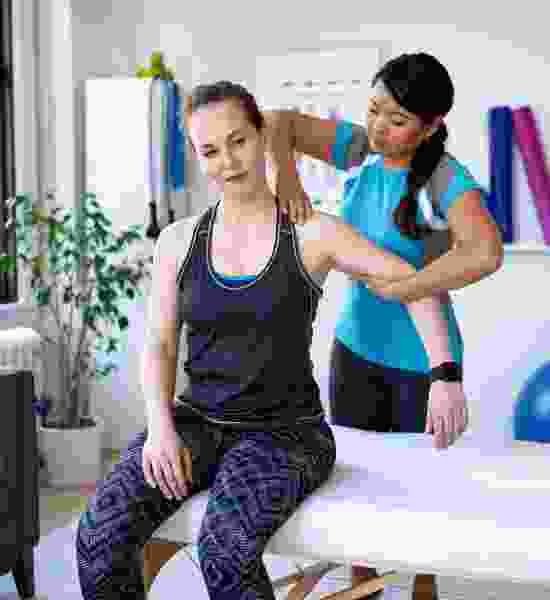
During your first visit, we’ll begin with a detailed assessment of your condition, followed by a personalized treatment plan. You’ll also receive guidance on posture, movement, and basic exercises to manage discomfort and support your recovery journey.
Yes, physiotherapy plays a crucial role in post-surgery recovery. It helps reduce pain, restore movement, and rebuild strength through tailored rehabilitation exercises. This promotes faster healing and reduces the risk of long-term complications.
Your first session involves a comprehensive evaluation of your medical history, symptoms, and movement patterns. The physiotherapist may conduct physical tests and discuss your goals before starting initial treatment or exercises.
Results vary based on your condition, commitment, and treatment plan. Some people feel improvement after just a few sessions, while others may require several weeks for noticeable progress. Consistency is key to successful recovery.
In most cases, you do not need a referral to begin physiotherapy. However, some insurance providers may require one for coverage, so it’s best to check with your policy beforehand.
Absolutely. Physiotherapy can improve joint mobility, reduce stiffness, and manage pain associated with chronic conditions like arthritis. A customized program can enhance your quality of life and keep you active.
Get in touch with us
service timing ( Mon to Sat )
10 Am To 9 Pm
Our Services
Why Choose Dr. Kushalappa Subbiah in Bangalore?
Dr. Kushalappa Subbiah completed a Fellowship in Shoulder Surgery at the Sydney Shoulder Research Institute, where he trained in advanced arthroscopic shoulder procedures including labral repair and reconstruction. He holds the International Olympic Committee (IOC) Diploma in Sports Medicine, and has direct clinical experience managing shoulder injuries in Indian athletes across cricket, swimming, tennis, and contact sports. He is appointed as a Consultant Shoulder Surgeon at NH Hospital, Bangalore.