6935 Todds Lane San Antonio, TX 98336
Our Working Time: 09:00 am To 06:00 pm

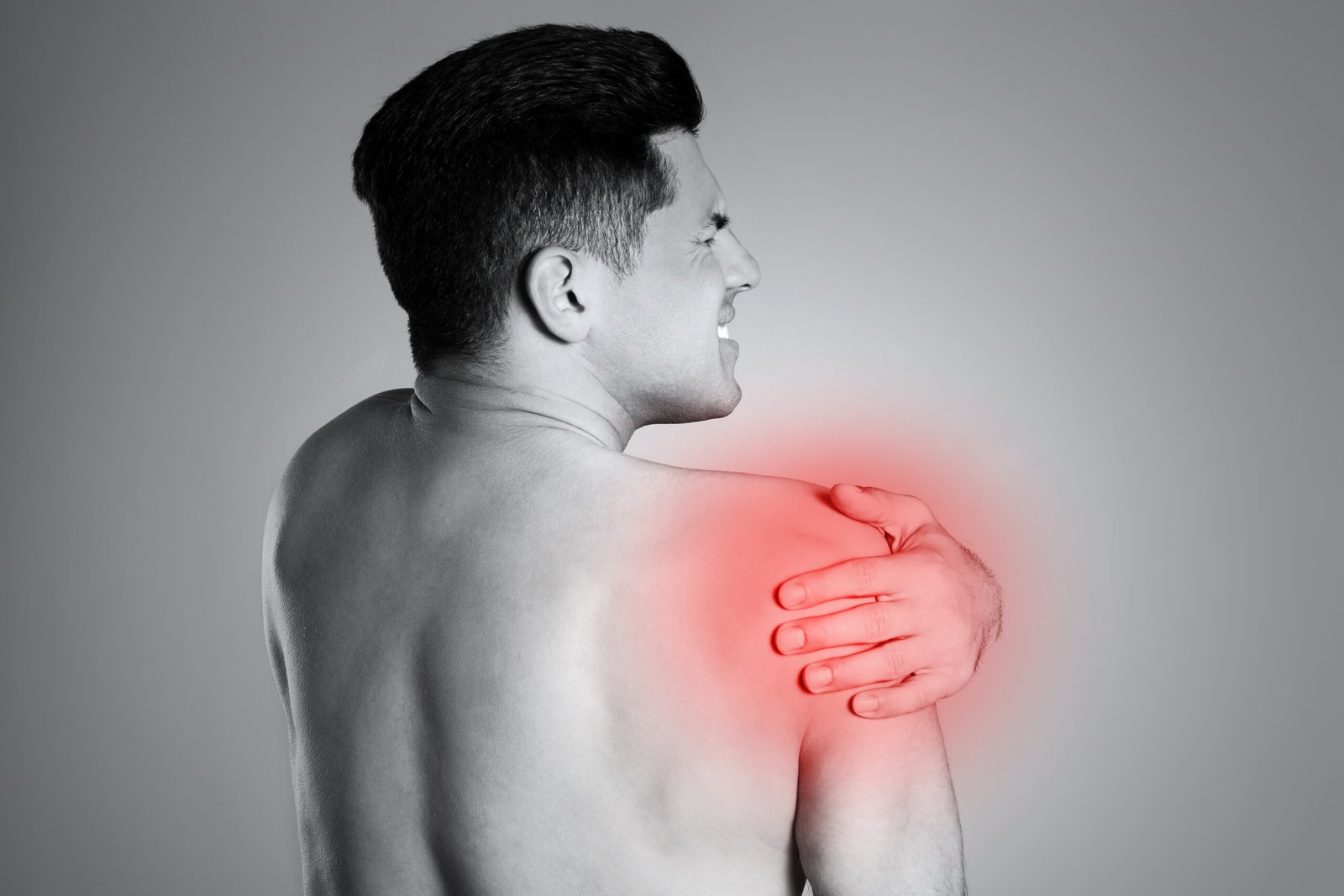
Waking up unable to lift your arm, struggling to reach behind your back, or experiencing a dull shoulder ache that has been slowly worsening for months, these are the hallmarks of frozen shoulder. Also known as adhesive capsulitis, it is a progressive condition that affects the shoulder capsule and can take months to years to fully resolve without specialist management.
Dr. Kushalappa Subbiah provides expert assessment and treatment of frozen shoulder in Bangalore, including arthroscopic capsular release for patients who do not respond to conservative management.
What is Frozen Shoulder?
Frozen shoulder, or adhesive capsulitis, occurs when the thick connective tissue capsule that surrounds the shoulder joint becomes inflamed, thickened, and tightened. Bands of scar tissue called adhesions form inside the capsule, and the volume of synovial fluid lubricating the joint decreases. The result is a shoulder that is progressively painful and stiff, with movement restricted in all directions.
The condition is more common in women than men, tends to occur in patients aged 40 to 65, and has a known association with diabetes, thyroid disorders, and prolonged shoulder immobility following injury or surgery. It is frequently misdiagnosed as a rotator cuff problem, and a thorough clinical examination by a shoulder specialist is essential to distinguish the two.
Types of Frozen Shoulder
Type I
Freezing Stage (10 to 36 weeks): Gradual onset of worsening shoulder pain, particularly at night. Movement begins to reduce. This stage is often the most painful.
Type II
Frozen Stage (4 to 6 months): Pain may begin to ease slightly but stiffness is now dominant. Daily activities such as dressing, driving, and reaching overhead are significantly affected.
Type III
Thawing Stage (6 months to 2 years): Movement gradually returns, though without treatment, full range of motion may never be fully recovered.
Causes
The exact trigger for frozen shoulder is not fully understood, but known risk factors include diabetes (which significantly increases both the likelihood and severity), thyroid dysfunction, recent shoulder surgery or injury requiring prolonged immobility, Dupuytren’s disease, and age between 40 and 65. In many patients, no specific cause is ever identified.
- A dull or aching pain in the shoulder, frequently worse at night and when lying on the affected side
- Progressive loss of shoulder movement in all directions, particularly rotation and reaching overhead
- Difficulty with everyday tasks such as fastening clothing, combing hair, or reaching across the body
- Pain that may be sharp at the end range of movement, where the tight capsule is being stretched
- Stiffness that worsens steadily over weeks and months rather than improving with rest

Diagnosis
Diagnosis is primarily clinical. During your consultation, Dr. Kushalappa will assess the range of motion of your shoulder in all directions and compare it to the unaffected side. The pattern of restricted movement, known as a capsular pattern, is characteristic of frozen shoulder and distinct from other causes of shoulder stiffness.
X-rays are used to rule out shoulder arthritis and fractures. Ultrasound or MRI may be performed to exclude rotator cuff tears, which can co-exist with frozen shoulder or be misdiagnosed as it.
Treatment
Arthroscopic Arthrolysis (Capsular Release)
For patients with persistent frozen shoulder that has not responded to conservative management including physiotherapy and injections, Dr. Kushalappa performs arthroscopic arthrolysis. Using keyhole incisions and an arthroscope, the thickened and scarred capsular tissue is carefully divided and released, restoring the shoulder's range of motion. The procedure is performed under general anaesthesia. Post-surgical physiotherapy is essential and begins promptly after surgery to maintain the motion gained during the procedure. Most patients notice a dramatic improvement in movement within weeks of surgery.
Why Choose Dr. Kushalappa Subbiah in Bangalore?
Dr. Kushalappa Subbiah completed a Fellowship in Shoulder Surgery at the Sydney Shoulder Research Institute, where he trained in advanced arthroscopic shoulder procedures including labral repair and reconstruction. He holds the International Olympic Committee (IOC) Diploma in Sports Medicine, and has direct clinical experience managing shoulder injuries in Indian athletes across cricket, swimming, tennis, and contact sports. He is appointed as a Consultant Shoulder Surgeon at NH Hospital, Bangalore.
Frequently Asked Questions
In many cases, frozen shoulder does improve over time, typically between 1 and 3 years. However, without treatment, some patients never regain full movement, and the prolonged pain and disability significantly affect quality of life. Early specialist input can shorten the recovery period and prevent permanent stiffness.
No. The majority of patients improve with physiotherapy, anti-inflammatory medications, and steroid injections. Surgery is only recommended when these measures have failed and significant stiffness persists, typically after 6 months of structured conservative treatment.
Patients typically experience a significant and rapid improvement in shoulder movement following surgery. Physiotherapy begins within days and most patients see functional improvement within 6 to 8 weeks. Full recovery is expected within 3 to 4 months.
Yes. Patients with diabetes are significantly more likely to develop frozen shoulder and tend to have a more severe and prolonged course. Managing blood sugar control alongside shoulder treatment is an important part of recovery in these patients