6935 Todds Lane San Antonio, TX 98336
Our Working Time: 09:00 am To 06:00 pm

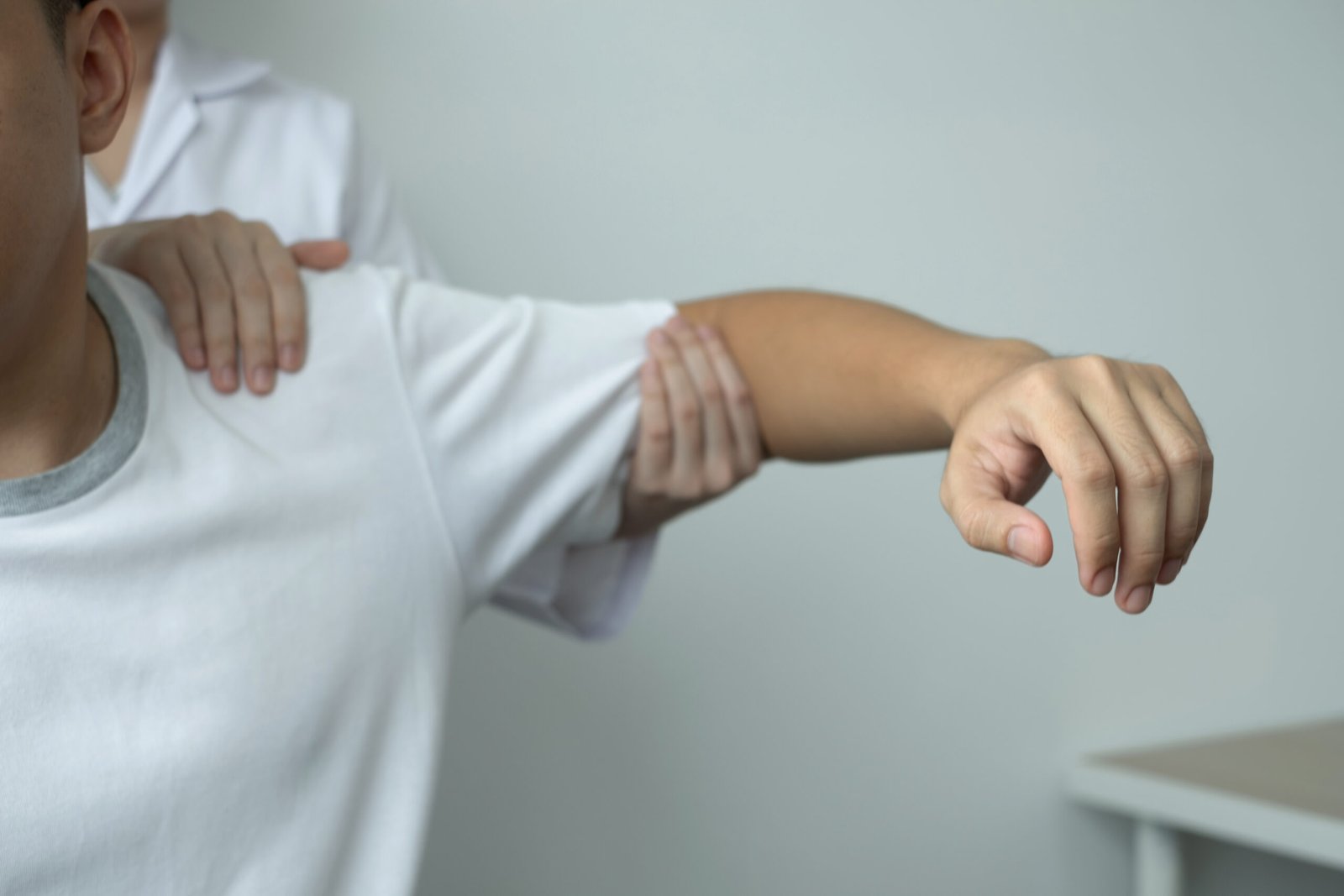
A loss of internal rotation in the dominant shoulder compared to the non-dominant side is a common finding in overhead athletes, particularly cricketers, swimmers, and tennis players. When this loss exceeds a clinically significant threshold, it becomes a risk factor for shoulder and elbow injuries. Managing GIRD correctly is an important part of keeping overhead athletes fit and performing.
What is Glenohumeral Internal Rotation Deficit (GIRD)?
Glenohumeral Internal Rotation Deficit, or GIRD, is a condition characterised by a significant reduction in glenohumeral internal rotation in the dominant shoulder of overhead athletes compared to the non-dominant side. It is caused by posterior capsular tightness and adaptive changes in the posterior rotator cuff muscles that develop in response to years of repetitive throwing or overhead loading.
A loss of 18 to 20 degrees or more in internal rotation compared to the contralateral side is the accepted clinical threshold. GIRD is associated with a higher risk of SLAP tears, rotator cuff injuries, and elbow injuries in overhead athletes.
Types of Glenohumeral Internal Rotation Deficit (GIRD)
Type I
Adaptive GIRD: A degree of internal rotation deficit that falls within a clinically acceptable range and is considered a normal adaptive response to overhead throwing. Many experienced throwers have some measurable reduction in internal rotation without pain or injury consequence. Adaptive GIRD does not require intervention.
Type II
Pathological GIRD: Internal rotation deficit exceeding the accepted threshold of 18 to 20 degrees compared to the non-dominant shoulder, or associated with clinical symptoms, pain, or a co-existing labral or rotator cuff injury. Pathological GIRD is an injury risk factor that warrants targeted treatment and rehabilitation.
Causes
Years of repetitive overhead throwing loads produce tightening and thickening of the posterior shoulder capsule and posterior rotator cuff muscles. This posterior tightness shifts the humeral head posterosuperiorly within the glenoid during the throwing motion, increasing stress on the superior labrum, biceps anchor, and rotator cuff.
- Measurable reduction in glenohumeral internal rotation in the dominant arm compared to the non-dominant arm
- Posterior shoulder tightness or discomfort, particularly when the arm is moved across the body
- In athletes: loss of throwing velocity, accuracy, or endurance before significant pain develops
- May be asymptomatic and only discovered on routine sports medicine screening

Diagnosis
Physical examination measuring internal and external rotation in supine position with the scapula stabilised is the standard assessment. A deficit of 18 degrees or more in internal rotation compared to the non-dominant shoulder is clinically significant.
Treatment
ilitation: Posterior Shoulder Stretching and Rotator Cuff Rebalancing
The primary treatment for GIRD is a targeted stretching and strengthening programme. The sleeper stretch and cross-body stretch, performed consistently, address posterior capsular tightness. This is combined with a rotator cuff strength balance programme. Dr. Kushalappa assesses GIRD as part of the broader shoulder evaluation in overhead athletes and coordinates a return-to-sport plan. Surgical treatment is only considered when GIRD is associated with a symptomatic SLAP tear or posterior labral pathology that fails to respond to conservative management.
Why Choose Dr. Kushalappa Subbiah in Bangalore?
Dr. Kushalappa Subbiah completed a Fellowship in Shoulder Surgery at the Sydney Shoulder Research Institute, where he trained in advanced arthroscopic shoulder procedures including labral repair and reconstruction. He holds the International Olympic Committee (IOC) Diploma in Sports Medicine, and has direct clinical experience managing shoulder injuries in Indian athletes across cricket, swimming, tennis, and contact sports. He is appointed as a Consultant Shoulder Surgeon at NH Hospital, Bangalore.
Frequently Asked Questions
No. Many overhead athletes have measurable GIRD without symptoms. It becomes clinically important when it reaches a threshold associated with increased injury risk, or when it co-exists with labral or rotator cuff pathology.
In most athletes, a significant improvement in internal rotation can be achieved with consistent stretching over 6 to 12 weeks. Some degree of adaptive change in the posterior capsule may be permanent, but clinically significant improvement is achievable in most patients.