6935 Todds Lane San Antonio, TX 98336
Our Working Time: 09:00 am To 06:00 pm

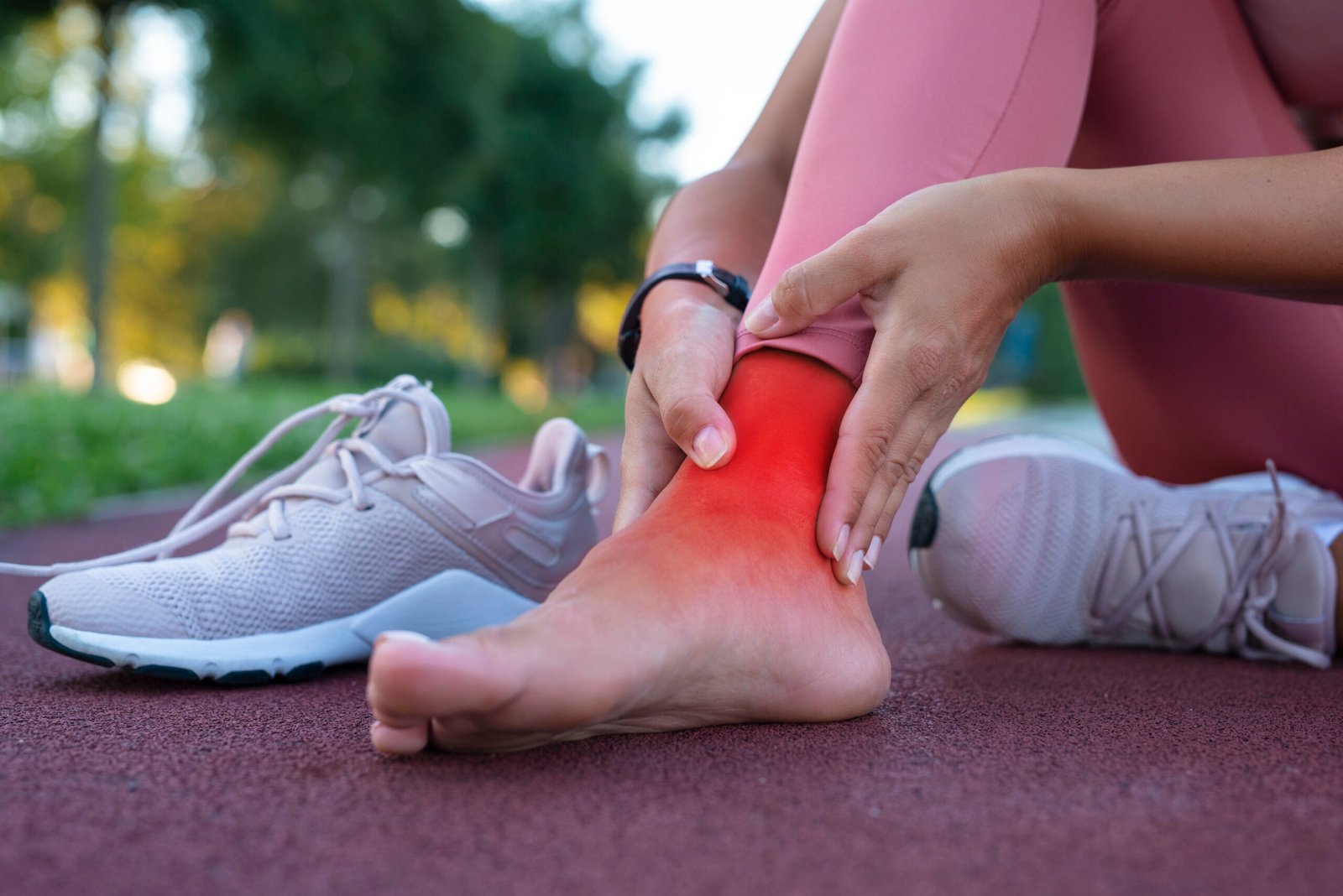
Pain above the heel during running, swelling along the back of the ankle, and in the most severe cases a sudden pop followed by the inability to push off from the foot, these are the presentations of Achilles tendon injuries, one of the most significant injuries in sport.
What is Tendoachilles Injury?
The Achilles tendon is the strongest tendon in the body, connecting the gastrocnemius and soleus calf muscles to the calcaneus heel bone. Injuries range from Achilles tendinopathy, which involves degenerative changes and inflammation within the tendon, to partial tears, and complete ruptures where the tendon severs entirely. Running athletes, racquet sport players, and jumping sport athletes including basketball and volleyball players are the most frequently affected groups.
Types of Tendoachilles Injury
Type I
Non-Insertional Achilles Tendinopathy: Degenerative changes occurring within the body of the tendon, typically 2 to 6 centimetres above the calcaneal insertion, in the zone of relatively poor blood supply. The tendon becomes thickened, painful, and nodular. This is the most common form and is predominantly seen in middle-aged recreational runners and field sport athletes.
Type II
Insertional Achilles Tendinopathy: Degeneration and calcium deposition at the point where the tendon inserts into the calcaneus, often accompanied by a prominent posterior heel bony prominence called a Haglund deformity. This form is more resistant to treatment than non-insertional tendinopathy and requires a specific rehabilitation approach.
Type III
Partial Achilles Tendon Tear: Structural disruption of a proportion of the tendon fibres without complete rupture. Produces persistent pain and a localised tender swelling in the tendon. MRI is required to characterise the extent of tearing.
Type IV
Complete Achilles Tendon Rupture: Total structural failure of the Achilles tendon, most commonly occurring in the non-insertional zone 2 to 6 centimetres above the calcaneus. Presents with a sudden pop, immediate loss of plantar flexion power, and a palpable gap in the tendon. Requires surgical repair in active patients for the most reliable functional outcome.
Causes
Overtraining, a sudden increase in training load, inadequate warm-up, and degenerative tendon changes with age are the primary causes of tendinopathy and rupture. A complete Achilles rupture typically occurs with a sudden explosive push-off movement.
- Pain and stiffness along the back of the ankle and above the heel, typically worse in the morning
- Tenderness when the tendon is palpated
- Swelling and thickening of the tendon in tendinopathy
- In complete rupture: a sudden pop, immediate severe pain, a palpable gap in the tendon, and inability to push off from the foot

Diagnosis
Clinical examination is highly reliable for diagnosing complete Achilles tendon rupture. The Simmonds-Thompson squeeze test, where squeezing the calf produces no plantar flexion of the foot, is positive in complete rupture. A palpable gap in the tendon approximately 2 to 6 centimetres above the heel confirms the diagnosis in most cases.
Ultrasound provides rapid, dynamic assessment of the Achilles tendon and is useful for confirming partial tears, measuring tendon thickness in tendinopathy, and assessing the gap in a complete rupture. MRI is the gold standard imaging investigation for characterising the precise location, extent, and degree of degeneration in partial tears and for planning surgical repair of complete ruptures.
Treatment
Surgical Repair of Achilles Tendon Rupture
For complete Achilles tendon ruptures in active patients and athletes, Dr. Kushalappa performs surgical repair through a posterior heel incision, reapproximating and suturing the torn tendon ends. Surgical repair is associated with a lower re-rupture rate and greater strength recovery compared to non-surgical management in active individuals. Recovery involves 2 weeks in a backslab, followed by a progressive boot and physiotherapy rehabilitation over 4 to 6 months, with return to full sport at 9 to 12 months.
Why Choose Dr. Kushalappa Subbiah in Bangalore?
Dr. Kushalappa Subbiah completed a Fellowship in Shoulder Surgery at the Sydney Shoulder Research Institute, where he trained in advanced arthroscopic shoulder procedures including labral repair and reconstruction. He holds the International Olympic Committee (IOC) Diploma in Sports Medicine, and has direct clinical experience managing shoulder injuries in Indian athletes across cricket, swimming, tennis, and contact sports. He is appointed as a Consultant Shoulder Surgeon at NH Hospital, Bangalore.
Frequently Asked Questions
Yes, non-surgical management with functional bracing achieves acceptable outcomes in many patients, particularly older or less active individuals. However, in athletes and active individuals, surgical repair provides a lower re-rupture rate and faster functional recovery, which is why it is generally preferred for this group.
Return to walking without support occurs within 6 to 8 weeks. Return to running typically takes 4 to 6 months. Return to full competitive sport is expected at 9 to 12 months.