6935 Todds Lane San Antonio, TX 98336
Our Working Time: 09:00 am To 06:00 pm

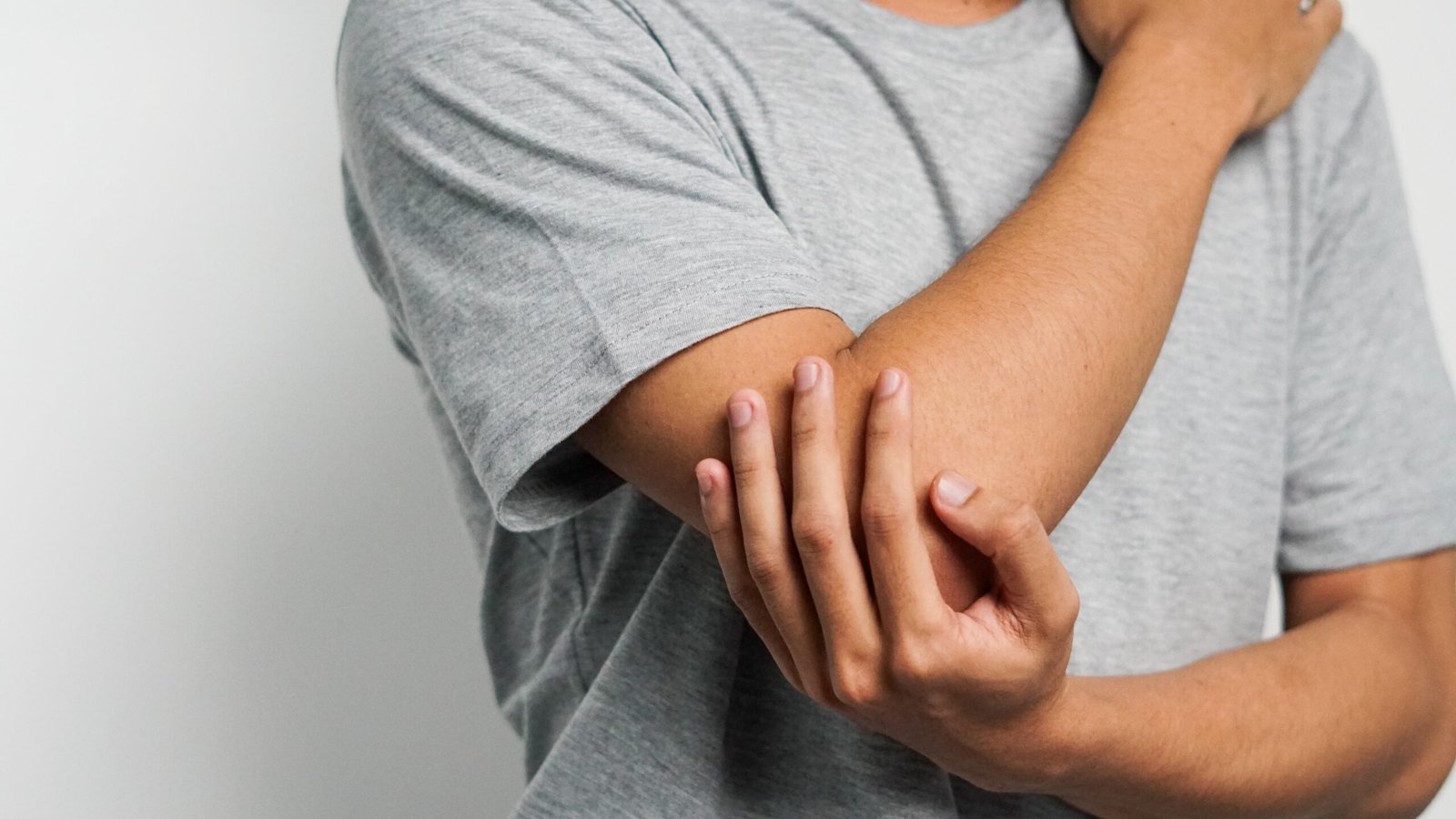
Medial elbow pain combined with a sense of instability during overhead activities or after elbow trauma may indicate posterior medial rotatory instability, a less common but important form of elbow instability that benefits from specialist assessment and, in significant cases, surgical reconstruction.
What is Posterior Medial Rotatory Instability (PMRI)?
PMRI involves instability of the medial aspect of the elbow, primarily caused by damage to the medial collateral ligament (MCL) complex. It can present following a traumatic dislocation with associated MCL injury, or in overhead athletes who subject the medial elbow to repeated valgus stress, such as cricketers and baseball pitchers. It is frequently associated with posterior elbow dislocation and coronoid fractures.
Types of Posterior Medial Rotatory Instability (PMRI)
Type I
Post-Traumatic PMRI: Instability arising from direct ligamentous injury to the medial collateral ligament complex following an acute elbow dislocation or fracture-dislocation. The MCL is torn or attenuated and the elbow develops valgus instability and posteromedial rotatory subluxation during loading.
Type II
Chronic Valgus Overload in Athletes: A pattern seen in throwing athletes, particularly cricket fast bowlers and javelin throwers, in which repetitive high valgus forces during the acceleration phase of throwing progressively stress and attenuate the medial collateral ligament. This produces chronic medial elbow pain and functional instability that limits throwing performance.
Type IV
The tear extends from the labrum into the biceps tendon itself. The most complex type, often requiring a combined surgical approach.
Causes
High-energy elbow trauma, including dislocations and complex fracture-dislocations, are the primary traumatic causes. Repetitive valgus loading in throwing athletes can cause chronic MCL insufficiency and progressive medial instability.
- Pain on the medial (inner) side of the elbow with overhead or throwing activities
- A feeling of looseness or instability in the elbow joint
- Reduced confidence in the elbow during overhead athletic activities
- May be associated with ulnar nerve symptoms including tingling in the ring and little fingers

Diagnosis
The moving valgus stress test, performed with the elbow in full flexion moving to extension while a valgus force is applied, reproduces the characteristic medial elbow pain in patients with MCL insufficiency. The milking manoeuvre also applies valgus stress and tests MCL integrity.
Plain X-rays may show medial joint space widening on valgus stress views, confirming instability. MRI or MRI arthrogram is the primary imaging investigation, demonstrating partial or complete MCL tears, areas of tendon degeneration, and associated pathologies such as loose bodies and posteromedial osteophytes.
Treatment
Elbow Ligament Reconstruction (MCL Reconstruction)
For significant MCL insufficiency causing functional instability, Dr. Kushalappa performs MCL reconstruction using a tendon graft, recreating the medial restraint of the elbow and restoring stability for overhead athletic activities.
Why Choose Dr. Kushalappa Subbiah in Bangalore?
Dr. Kushalappa Subbiah completed a Fellowship in Shoulder Surgery at the Sydney Shoulder Research Institute, where he trained in advanced arthroscopic shoulder procedures including labral repair and reconstruction. He holds the International Olympic Committee (IOC) Diploma in Sports Medicine, and has direct clinical experience managing shoulder injuries in Indian athletes across cricket, swimming, tennis, and contact sports. He is appointed as a Consultant Shoulder Surgeon at NH Hospital, Bangalore.
Frequently Asked Questions
Medial elbow instability from MCL stress is well recognised in throwing athletes and fast bowlers in cricket. Repetitive valgus loading during the delivery stride can progressively stress the MCL, leading to instability and pain that limits bowling performance. Assessment and management as part of a sports-specific return-to-bowl programme is key.