6935 Todds Lane San Antonio, TX 98336
Our Working Time: 09:00 am To 06:00 pm

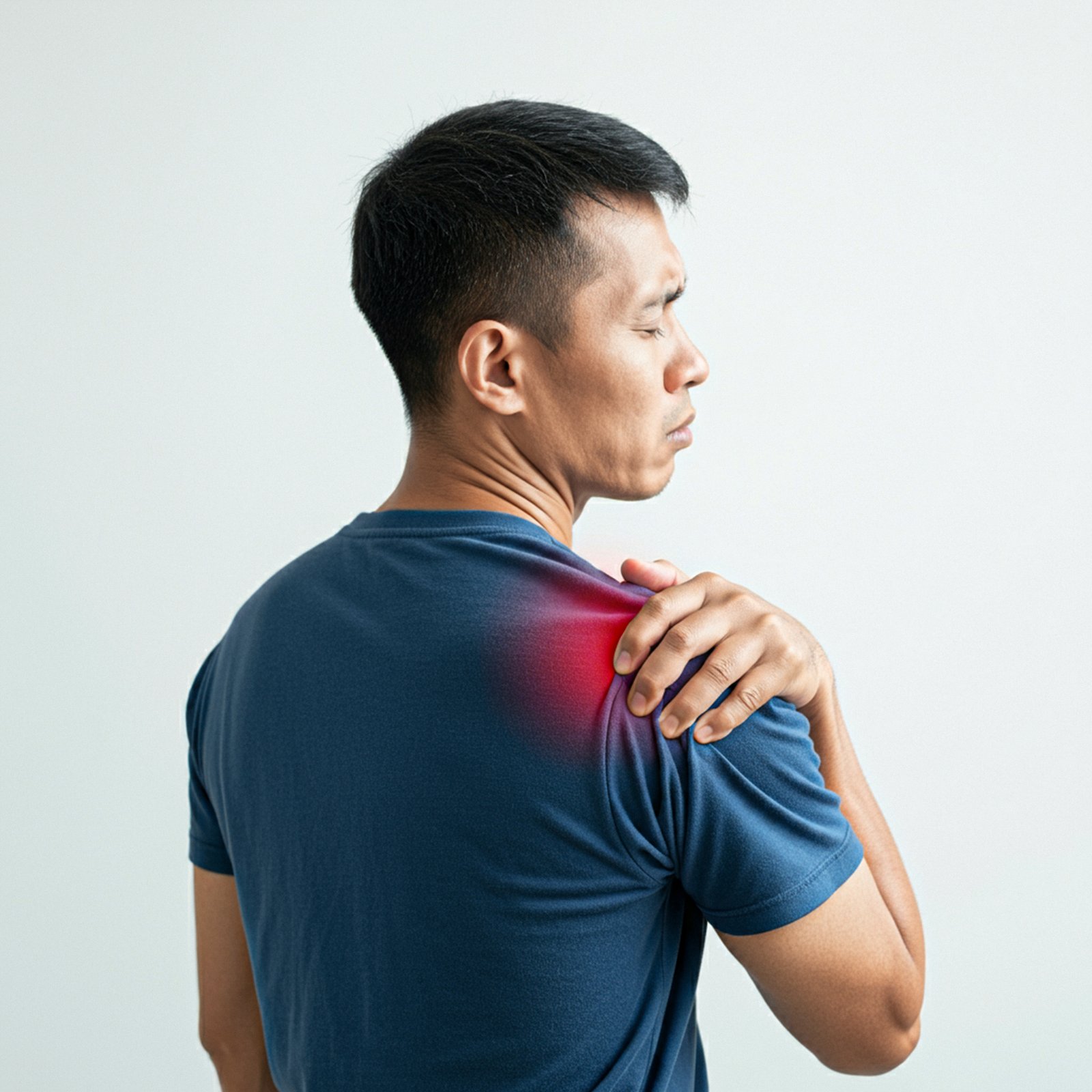
A shoulder dislocation is one of the most painful acute injuries a patient can experience. Whether it happened during a tackle on the cricket or football field, a fall, or a contact sport collision, a dislocated shoulder that is not properly managed has a high rate of recurring, particularly in young and active patients.
What is Shoulder Dislocation?
A shoulder dislocation occurs when the ball of the humerus is forcefully displaced from the glenoid socket. The vast majority of dislocations, roughly 95 percent, are anterior dislocations, where the humeral head moves forward out of the socket. This typically tears the anterior labrum and capsular ligaments of the shoulder, a combination of injuries known as a Bankart lesion. In many cases, the humeral head also leaves an indentation on the back of its surface as it impacts the glenoid rim, called a Hill-Sachs lesion.
When these structural injuries are not addressed surgically in at-risk patients, the dislocation is likely to recur. Young patients who sustain a first-time dislocation before the age of 20 have a recurrence rate of up to 90 percent without surgical stabilisation.
Types of Shoulder Dislocation
Type I
Anterior Dislocation: The most common type, accounting for approximately 95 percent of all shoulder dislocations. The humeral head displaces forward out of the glenoid socket, tearing the anterior labrum and capsule. It most often occurs during a fall on an outstretched arm or a collision with the arm in an externally rotated and abducted position.
Type II
Posterior Dislocation: Accounts for only 2 to 4 percent of dislocations and is frequently missed on initial assessment. Associated with seizures, electric shocks, and direct anterior shoulder trauma. Creates a reverse Hill-Sachs lesion on the anterior aspect of the humeral head.
Type III
Inferior Dislocation (Luxatio Erecta): A rare and dramatic injury in which the humeral head is displaced directly inferiorly, typically locking the arm in an overhead position. Associated with significant neurovascular injury risk.
Type IV
Recurrent Dislocation: A pattern of repeated dislocation following an initial traumatic event. Common in younger patients whose anterior labral tear has not been surgically repaired. Each subsequent dislocation tends to require progressively less force and may lead to increasing bone loss from the glenoid rim.
Causes
Traumatic anterior shoulder dislocations most commonly occur during contact sport collisions, falls on an outstretched arm, overhead injuries, or direct blows to the shoulder. Posterior dislocations, which are less common, can occur following seizures, electric shocks, or falls. Patients with generalised joint laxity are predisposed to recurrent instability with less forceful events.
- Severe pain and an obvious deformity of the shoulder following injury, with the arm held in a position away from the body
- Inability to move the shoulder, with muscle spasm around the joint
- Numbness or tingling down the arm in some cases, due to stretching of the axillary nerve
- In recurrent dislocation: a feeling of the shoulder slipping forward with specific arm positions, such as reaching overhead or externally rotating the arm
- Apprehension and guarding when the shoulder is placed in a position that previously caused dislocation

Diagnosis
X-rays confirm the dislocation and are obtained both before and after reduction to confirm the joint has been relocated correctly. Following successful reduction, MRI or CT arthrogram is performed to assess the extent of labral damage, quantify glenoid bone loss, and determine whether the Hill-Sachs lesion is significant enough to influence the surgical plan.
Treatment
Arthroscopic Bankart Repair
For first-time dislocations in young or active patients, and for patients with recurrent instability without significant bone loss, Dr. Kushalappa performs arthroscopic Bankart repair. The torn anterior labrum is reattached to the glenoid rim using bioabsorbable suture anchors, restoring the structural bumper that prevents the humeral head from slipping forward. The procedure is performed through small keyhole incisions under general anaesthesia. Recovery involves a sling for 4 to 6 weeks and a structured rehabilitation programme, with return to contact sport at 5 to 6 months.
Open Latarjet Procedure
When significant glenoid bone loss is present, typically when more than 20 to 25 percent of the glenoid has been eroded by recurrent dislocations, arthroscopic Bankart repair alone is not sufficient. Dr. Kushalappa performs the open Latarjet procedure, in which a piece of the coracoid bone, along with its attached tendon, is transferred to the front of the glenoid socket. This simultaneously enlarges the bony glenoid surface and provides a dynamic soft tissue barrier against re-dislocation. The Latarjet is considered the gold standard procedure for shoulder instability with significant bone loss and has excellent long-term results in contact athletes.
Why Choose Dr. Kushalappa Subbiah in Bangalore?
Dr. Kushalappa Subbiah completed a Fellowship in Shoulder Surgery at the Sydney Shoulder Research Institute, where he trained in advanced arthroscopic shoulder procedures including labral repair and reconstruction. He holds the International Olympic Committee (IOC) Diploma in Sports Medicine, and has direct clinical experience managing shoulder injuries in Indian athletes across cricket, swimming, tennis, and contact sports. He is appointed as a Consultant Shoulder Surgeon at NH Hospital, Bangalore.
Frequently Asked Questions
Not always, but young active patients and athletes who sustain a traumatic dislocation have a very high recurrence rate without surgery. The younger the patient and the higher the sporting demand, the stronger the case for surgical stabilisation to prevent repeated dislocations and progressive bone loss.
A Bankart lesion is a tear of the anterior labrum of the shoulder, which is the cartilage bumper at the front of the glenoid socket. It is the most common structural injury caused by a shoulder dislocation and is the primary target of Bankart repair surgery.
The Latarjet procedure is used when the glenoid has lost a significant amount of bone from recurrent dislocations. Simply repairing the labrum in this setting will not provide stable results, so a bone block from the coracoid is transferred to rebuild the glenoid and provide additional stability.
There is no strict timeline. Surgery can be performed once the acute swelling has settled and the patient has regained comfortable shoulder movement, typically 3 to 6 weeks after the initial dislocation. In high-level athletes preparing for a new season, surgery can be planned accordingly.