6935 Todds Lane San Antonio, TX 98336
Our Working Time: 09:00 am To 06:00 pm

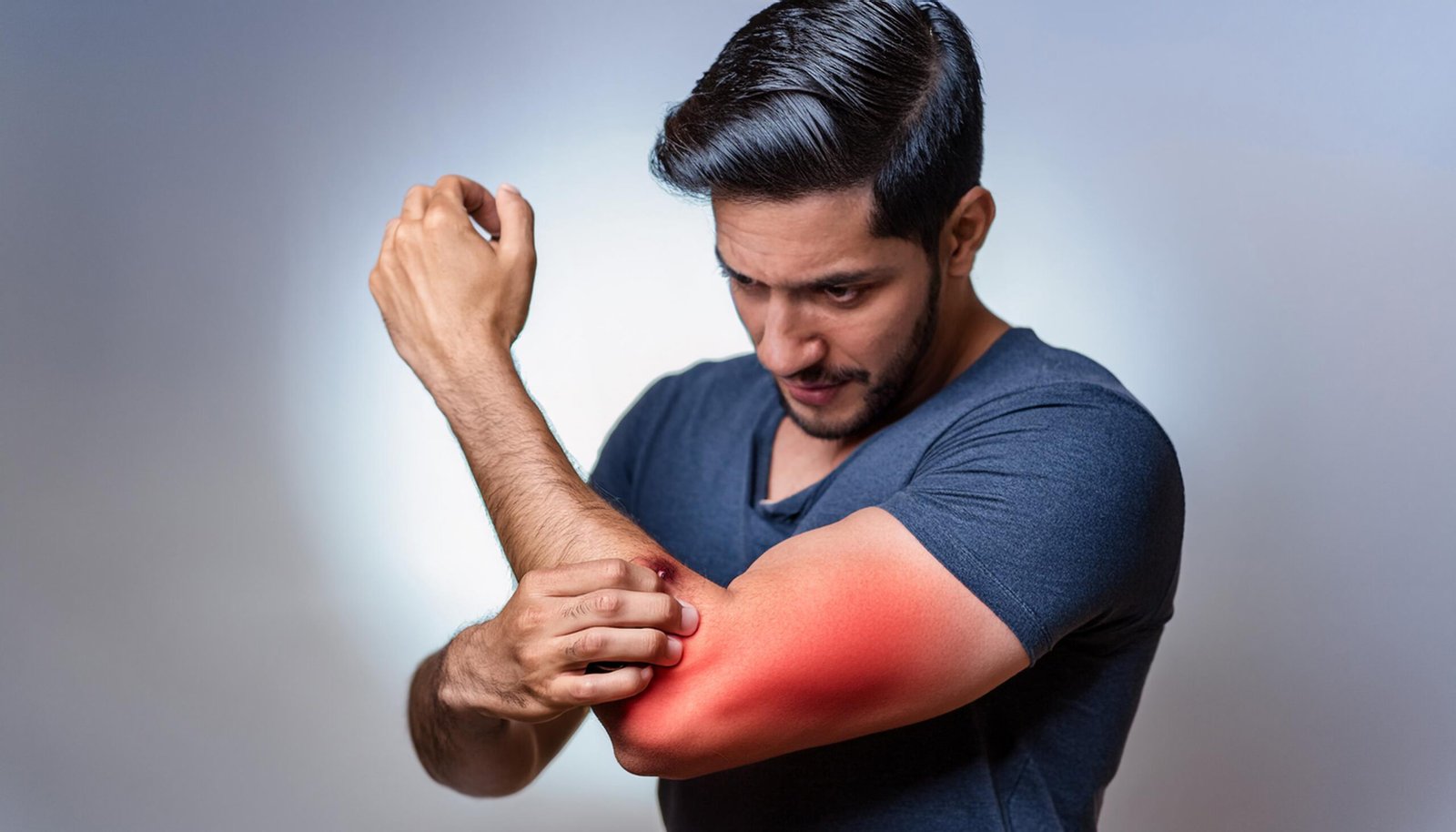
A sudden sharp pain in the front of the shoulder, a distinctive bulge in the upper arm resembling the Popeye cartoon muscle, and a feeling of something snapping or giving way are the hallmark signs of a proximal biceps rupture. While the cosmetic deformity can be alarming, treatment decisions depend significantly on the individual patient’s age, activity level, and functional requirements.
What is Proximal Biceps Rupture?
The long head of the biceps tendon originates from the superior labrum of the shoulder, runs through the bicipital groove, and attaches to the muscle belly. A proximal biceps rupture occurs when this tendon tears near its origin at the shoulder. Contrary to what many patients expect, this rupture does not typically cause a major functional deficit in terms of elbow bending strength. However, it does cause a characteristic muscle belly deformity, some loss of supination strength, and, importantly, it frequently co-exists with rotator cuff pathology that may require treatment.
Types of Proximal Biceps Rupture
Type I
Complete Rupture of the Long Head: The long head of the biceps tendon tears entirely from its attachment at the superior labrum of the glenoid. The characteristic Popeye deformity is most pronounced in this pattern. Surgical repair through subpectoral biceps tenodesis is offered to younger and more active patients.
Type II
Partial Rupture: Only a portion of the long head tendon fibres tear, leaving the remainder intact. The Popeye deformity is absent or subtle. MRI or MRI arthrogram is needed to characterise the extent of partial tearing.
Type III
Rupture with Associated Pathology: Many proximal biceps ruptures occur in the context of concurrent rotator cuff tears, particularly subscapularis tears, or in the presence of significant bicipital groove disease and pulley lesions. Identifying and addressing these co-existing pathologies is an important part of the surgical plan.
Causes
Degeneration of the tendon over time, particularly in patients over 50, is the most common cause. The tendon gradually weakens and eventually fails with a relatively minor load. Acute rupture in younger patients can occur with heavy lifting or a sudden forceful load through the arm.
- Sudden sharp pain at the front of the shoulder or upper arm, sometimes with a popping sensation
- A visible bulge in the mid-upper arm, the classic Popeye deformity, caused by the retracted biceps muscle
- Bruising along the upper arm
- Mild weakness in elbow flexion and forearm supination, most noticeable with sustained load
- In many patients over 50: gradual resolution of pain with persistent cosmetic deformity but acceptable function

Diagnosis
Clinical examination identifies the characteristic deformity and confirms the rupture. MRI or ultrasound is used to confirm the location of the tear and to assess the condition of the rotator cuff tendons, which are commonly involved.
Treatment
Subpectoral Biceps Tenodesis (elective, in appropriate patients)
For younger, active patients, particularly those who perform manual work or sports requiring forearm supination strength, and for patients bothered by the cosmetic deformity, Dr. Kushalappa offers subpectoral biceps tenodesis. The ruptured tendon is retrieved and reattached at a new position on the humerus, restoring biceps length, correcting the deformity, and recovering supination strength. Many patients over 60 with lower functional demands are managed without surgery.
Why Choose Dr. Kushalappa Subbiah in Bangalore?
Dr. Kushalappa Subbiah completed a Fellowship in Shoulder Surgery at the Sydney Shoulder Research Institute, where he trained in advanced arthroscopic shoulder procedures including labral repair and reconstruction. He holds the International Olympic Committee (IOC) Diploma in Sports Medicine, and has direct clinical experience managing shoulder injuries in Indian athletes across cricket, swimming, tennis, and contact sports. He is appointed as a Consultant Shoulder Surgeon at NH Hospital, Bangalore.
Frequently Asked Questions
No. Many patients, particularly older individuals with lower physical demands, can accept the cosmetic deformity and live with a small functional deficit without significant impact on their quality of life. Surgery is offered for younger patients, manual workers, and athletes who require full supination strength.
The muscle deformity does not resolve without surgery. The retracted biceps muscle belly remains visibly prominent in the upper arm. This is cosmetically noticeable, particularly in individuals with muscular arms, and is one of the main reasons patients elect for surgical repair.