6935 Todds Lane San Antonio, TX 98336
Our Working Time: 09:00 am To 06:00 pm

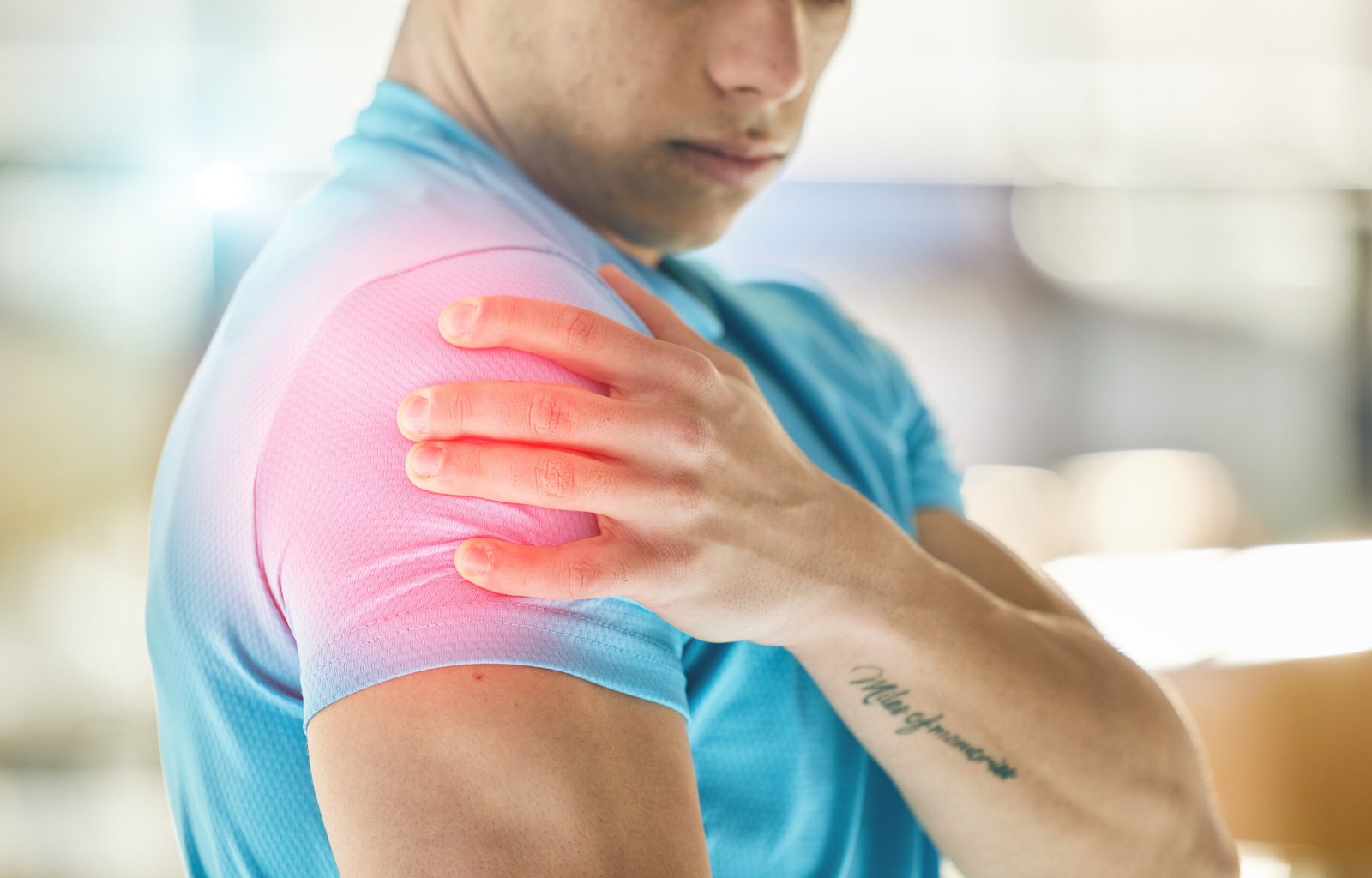
Progressive weakness of the shoulder without a specific injury, particularly with visible wasting of the muscles at the back of the shoulder blade, can indicate suprascapular nerve compression. It is an uncommon but important cause of shoulder dysfunction that is frequently delayed in diagnosis.
What is Suprascapular Nerve Compression?
The suprascapular nerve arises from the upper trunk of the brachial plexus and passes through the suprascapular notch to supply the supraspinatus and infraspinatus muscles. Compression of this nerve at either the suprascapular notch or the spinoglenoid notch disrupts the nerve supply to these key rotator cuff muscles, leading to weakness, atrophy, and shoulder pain.
Ganglion cysts arising from the shoulder joint or labrum are a common compressive cause, particularly at the spinoglenoid notch. The condition can also be caused by repetitive overhead activity in volleyball and swimming athletes, as well as anatomical compression from a tight suprascapular ligament.
Types of Suprascapular Nerve Compression
Type I
Suprascapular Notch Entrapment: The nerve is compressed as it passes beneath the suprascapular ligament at the suprascapular notch, affecting both the supraspinatus and infraspinatus muscles. May be caused by a tight or calcified ligament, or by a ganglion cyst. Results in weakness of both abduction and external rotation.
Type II
Spinoglenoid Notch Entrapment: The nerve is compressed more distally at the spinoglenoid notch, beyond the branch to the supraspinatus. Only the infraspinatus is affected, resulting in selective weakness of external rotation with preserved abduction strength. This is the most common site of nerve compression in overhead athletes, particularly volleyball players.
Causes
Ganglion cysts arising from labral tears are the most common compressive cause. The Spinoglenoid notch is the most common site of entrapment in overhead athletes, particularly volleyball players. Anatomical compression from an enlarged or calcified ligament at the suprascapular notch is another cause.
- Dull, poorly localised posterior shoulder pain
- Weakness with shoulder abduction and external rotation
- Visible wasting of the supraspinatus and infraspinatus muscle bellies above and below the scapular spine
- In athletes: gradual loss of shoulder performance before significant pain develops

Diagnosis
MRI is the primary imaging investigation and identifies ganglion cysts, labral tears, and evidence of muscle atrophy. Electromyography (EMG) and nerve conduction studies confirm the diagnosis and localise the site of compression.
Treatment
Arthroscopic Cyst Decompression and Labral Repair
When suprascapular nerve compression is caused by a paralabral ganglion cyst, Dr. Kushalappa performs arthroscopic decompression of the cyst combined with repair of the underlying labral tear that is feeding the cyst. Addressing both the cyst and the causative labral tear in the same procedure provides the most reliable long-term outcome. Surgical decompression of the suprascapular ligament is performed when anatomical entrapment is the cause.
Why Choose Dr. Kushalappa Subbiah in Bangalore?
Dr. Kushalappa Subbiah completed a Fellowship in Shoulder Surgery at the Sydney Shoulder Research Institute, where he trained in advanced arthroscopic shoulder procedures including labral repair and reconstruction. He holds the International Olympic Committee (IOC) Diploma in Sports Medicine, and has direct clinical experience managing shoulder injuries in Indian athletes across cricket, swimming, tennis, and contact sports. He is appointed as a Consultant Shoulder Surgeon at NH Hospital, Bangalore.
Frequently Asked Questions
Not if treated promptly. The nerve has the capacity to recover following decompression, and muscle strength typically returns over several months after surgery. Delayed treatment risks permanent muscle wasting.
Frequently, yes. Paralabral cysts, which arise from tears in the shoulder labrum, are a common cause of suprascapular nerve compression. Treating both the labral tear and the cyst together is the preferred surgical approach.