6935 Todds Lane San Antonio, TX 98336
Our Working Time: 09:00 am To 06:00 pm

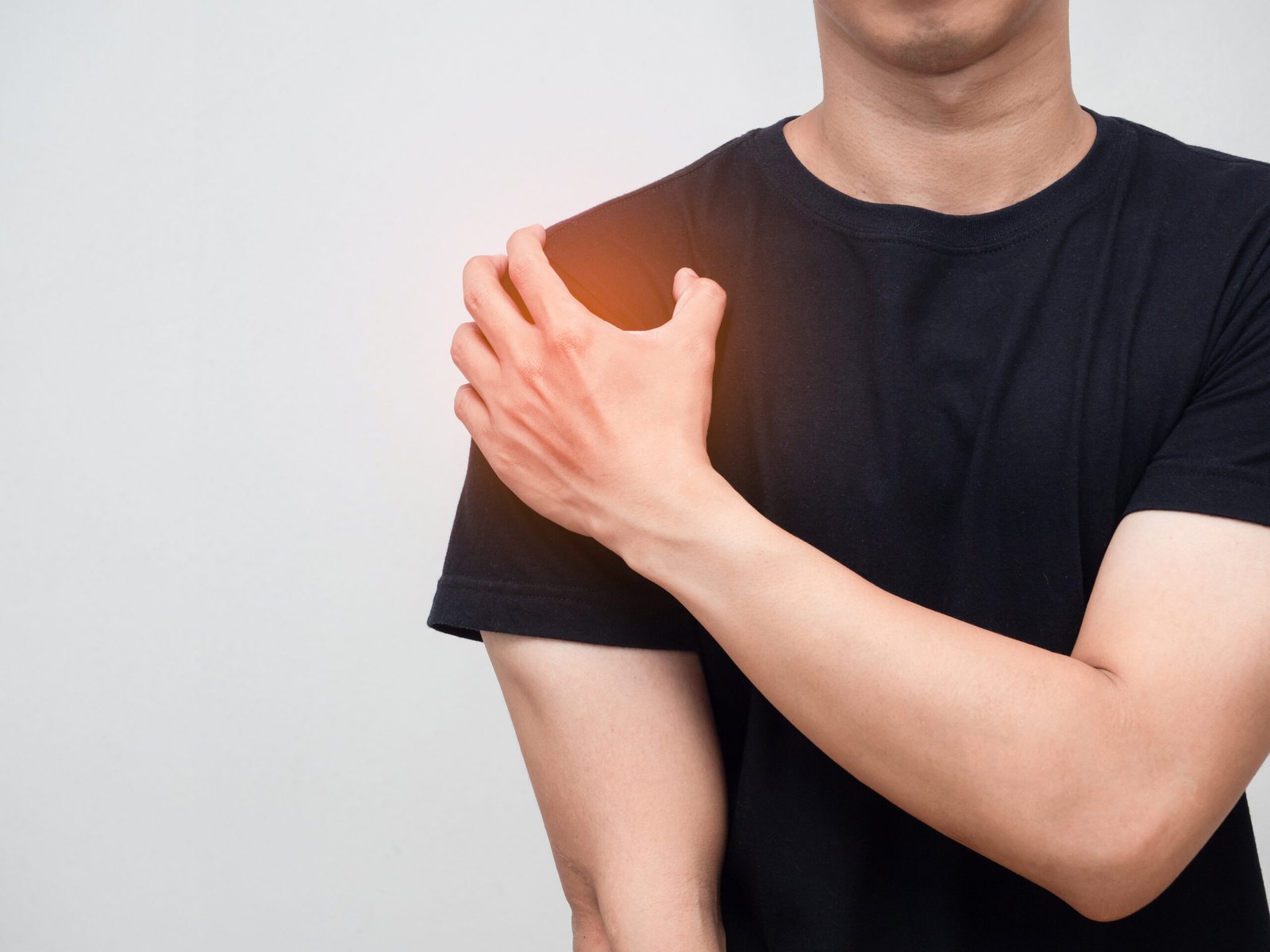
A fall onto an outstretched arm or a direct blow to the shoulder can fracture the proximal humerus, the upper end of the arm bone near the shoulder joint. These fractures range from undisplaced injuries that can heal without surgery to complex multi-fragment fractures requiring surgical fixation or joint replacement.
What is Proximal Humerus Fracture?
The proximal humerus is the rounded upper end of the arm bone, which forms the ball of the shoulder joint. Fractures of this region are among the most common fractures in adults over 65, frequently occurring as a result of low-energy falls. In younger patients, they tend to result from higher-energy trauma such as road traffic accidents or sports collisions.
The decision between surgical and non-surgical management depends on the number of fracture fragments, the degree of displacement, the patient’s age and bone quality, and their functional demands.
Types of Proximal Humerus Fracture
Type I
One-Part Fracture (Neer I): The fracture fragments are undisplaced or minimally displaced regardless of the number of fracture lines. The majority of proximal humerus fractures fall into this category. Managed conservatively in most cases with a sling and early physiotherapy.
Type II
Two-Part Fracture (Neer II): One fracture fragment is displaced by more than 1 centimetre or angulated more than 45 degrees relative to the rest of the humerus. Surgical fixation is considered depending on the patient's age, bone quality, and functional demands.
Type III
Three-Part Fracture (Neer III): Two fragments are significantly displaced. The surgical neck and one tuberosity are both fractured and displaced. Internal fixation or shoulder replacement is considered based on patient factors.
Type IV
Four-Part Fracture (Neer IV): All four major segments are displaced. These are the most complex fractures and are associated with a high risk of avascular necrosis of the humeral head. Shoulder replacement is often the preferred surgical option in older patients.
Causes
Low-energy falls in older patients with osteoporosis are the most common cause. High-energy trauma, direct shoulder blows, and sports collisions cause fractures in younger, active patients.
- Severe pain at the shoulder immediately following trauma
- Bruising that extends down the upper arm and sometimes into the chest wall
- Significant swelling around the shoulder
- Inability to move the shoulder or arm
- Visible deformity in displaced or complex fractures

Diagnosis
Plain X-rays are the first investigation and usually demonstrate the fracture. CT scan is essential for complex, multi-fragment fractures to fully understand the three-dimensional anatomy and guide surgical planning.
Treatment
Non-Surgical Management
Undisplaced or minimally displaced fractures, and fractures in older patients with lower functional demands, are managed with a sling for 2 to 3 weeks followed by early physiotherapy to prevent shoulder stiffness. Most undisplaced fractures heal within 6 to 8 weeks.
Open Reduction and Internal Fixation (ORIF)
Significantly displaced fractures in younger patients with good bone quality are treated with surgical reduction and fixation using a locking plate and screws through an open approach. The goal is to restore the anatomy and allow early physiotherapy to prevent stiffness.
Shoulder Replacement (Hemiarthroplasty or Reverse Replacement)
In complex multi-fragment fractures, particularly in older patients with poor bone quality where fixation is unlikely to be reliable, Dr. Kushalappa performs either a hemiarthroplasty or a reverse shoulder replacement. This provides a stable, pain-free shoulder that allows early functional recovery without the risks of fixation failure.
Why Choose Dr. Kushalappa Subbiah in Bangalore?
Dr. Kushalappa Subbiah completed a Fellowship in Shoulder Surgery at the Sydney Shoulder Research Institute, where he trained in advanced arthroscopic shoulder procedures including labral repair and reconstruction. He holds the International Olympic Committee (IOC) Diploma in Sports Medicine, and has direct clinical experience managing shoulder injuries in Indian athletes across cricket, swimming, tennis, and contact sports. He is appointed as a Consultant Shoulder Surgeon at NH Hospital, Bangalore.
Frequently Asked Questions
No. The majority of proximal humerus fractures are undisplaced or minimally displaced and heal well with non-surgical management in a sling. Surgery is only required for significantly displaced fractures or complex multi-fragment injuries.
Most undisplaced fractures heal within 6 to 8 weeks. Displaced fractures treated surgically require 3 to 4 months of rehabilitation. Shoulder replacement procedures have a recovery timeline of 3 to 6 months.