6935 Todds Lane San Antonio, TX 98336
Our Working Time: 09:00 am To 06:00 pm

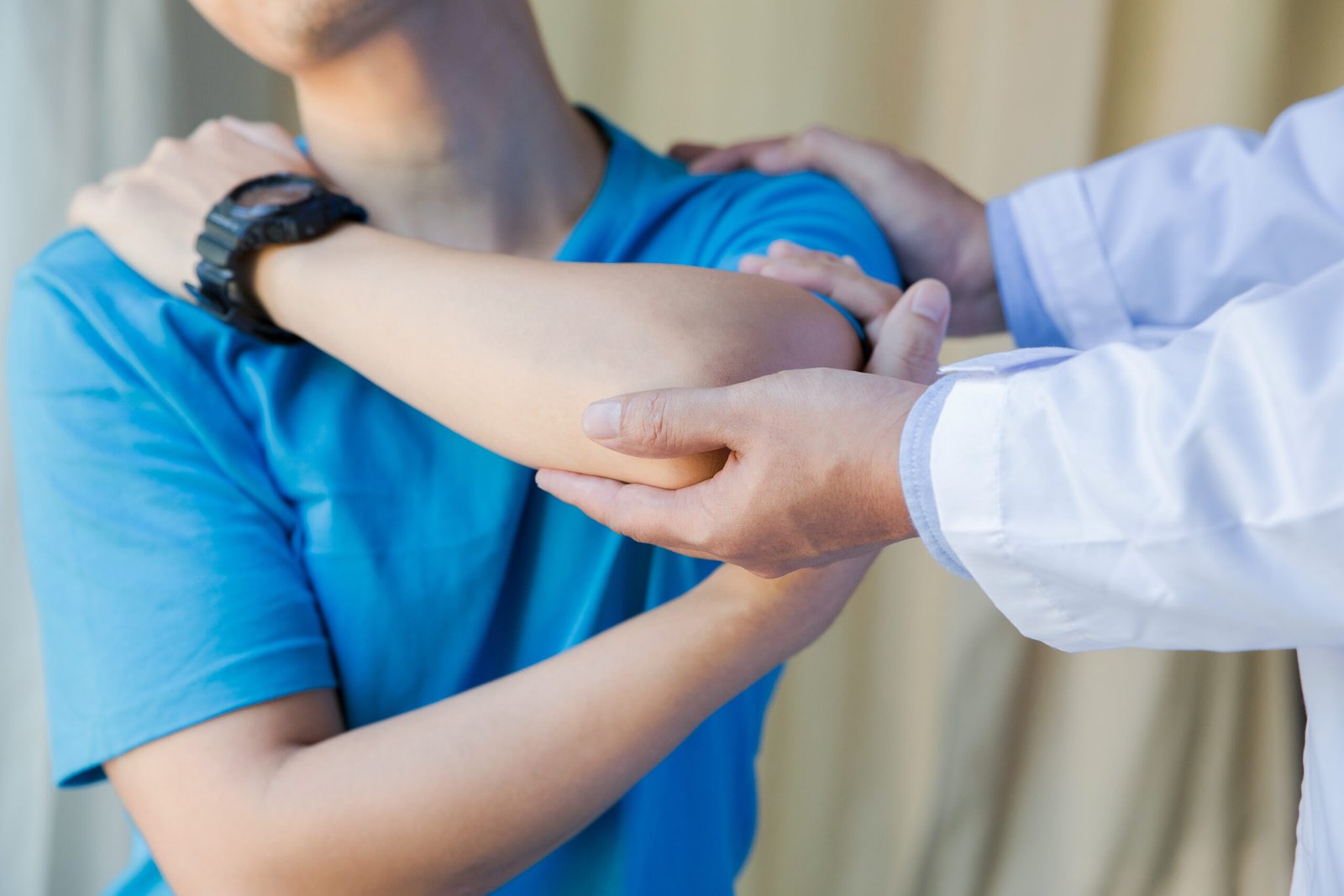
A sense that the elbow gives way, catches, or feels unreliable during pushing activities, weight bearing on the hand, or when pushing up from a chair is a characteristic symptom of posterior lateral rotatory instability (PLRI) of the elbow. It is the most common form of chronic elbow instability and one that benefits significantly from surgical reconstruction.
What is Posterior Lateral Rotatory Instability (PLRI)?
PLRI occurs when the lateral ulnar collateral ligament (LUCL), the primary lateral stabiliser of the elbow, is insufficiently taut. This allows the radius and ulna to sublux posterolaterally from the humerus during activities that involve forearm supination with elbow extension, such as pushing up from a chair or performing a push-up. PLRI is the most common form of chronic elbow instability.
Types of Posterior Lateral Rotatory Instability (PLRI)
Type I
Post-Dislocation PLRI: Instability resulting from LUCL injury during an acute elbow dislocation. The most common cause. The ligament heals with laxity or is incompletely repaired, leaving the elbow susceptible to posterolateral subluxation.
Type II
Iatrogenic PLRI: LUCL damage occurring as a complication of previous elbow surgery, most commonly lateral epicondyle release surgery for tennis elbow. The ligament is inadvertently divided or detached during the procedure.
Type III
Chronic Varus Overload PLRI: Progressive laxity of the LUCL in throwing athletes due to repetitive varus stress through the elbow during the deceleration phase of throwing, producing lateral ligament insufficiency over time.
Causes
A previous elbow dislocation is the most frequent cause of LUCL insufficiency. Iatrogenic damage during previous elbow surgery, such as lateral epicondyle release, is another important cause. Repetitive varus stress through the elbow in throwing athletes can also contribute.
- A sensation of the elbow clicking, catching, or giving way during pushing activities
- Apprehension when loading the elbow in extension with the forearm supinated
- Difficulty with push-ups, rising from a chair using the arms, or any weight-bearing through the hand
- Patients may consciously avoid keeping the elbow extended when pushing

Diagnosis
The lateral pivot shift test and tabletop relocation test reproduce the instability on clinical examination. MRI assesses the integrity of the lateral ligament complex. Fluoroscopic examination under anaesthesia provides definitive confirmation.
Treatment
Elbow Ligament Reconstruction (LUCL Reconstruction)
Dr. Kushalappa performs reconstruction of the lateral ulnar collateral ligament using a tendon graft, typically from the palmaris longus or a donor source. The graft is secured through bone tunnels in the humerus and ulna, recreating the normal anatomy and restraint function of the LUCL. This restores lateral elbow stability and eliminates the characteristic giving-way symptoms. Recovery involves a splint for 2 to 3 weeks, followed by progressive physiotherapy, with return to full activity at 4 to 6 months.
Why Choose Dr. Kushalappa Subbiah in Bangalore?
Dr. Kushalappa Subbiah completed a Fellowship in Shoulder Surgery at the Sydney Shoulder Research Institute, where he trained in advanced arthroscopic shoulder procedures including labral repair and reconstruction. He holds the International Olympic Committee (IOC) Diploma in Sports Medicine, and has direct clinical experience managing shoulder injuries in Indian athletes across cricket, swimming, tennis, and contact sports. He is appointed as a Consultant Shoulder Surgeon at NH Hospital, Bangalore.
Frequently Asked Questions
PLRI is the most common form of chronic elbow instability, though it is frequently underdiagnosed because patients' symptoms can be subtle and the condition requires specific clinical tests to identify. Many patients with post-dislocation elbow pain are living with undiagnosed PLRI.
Elbow ligament reconstruction replaces the damaged or insufficient ligament with a tendon graft, restoring the normal stabilising anatomy of the elbow and eliminating the instability. It is analogous to ACL reconstruction in the knee.