6935 Todds Lane San Antonio, TX 98336
Our Working Time: 09:00 am To 06:00 pm

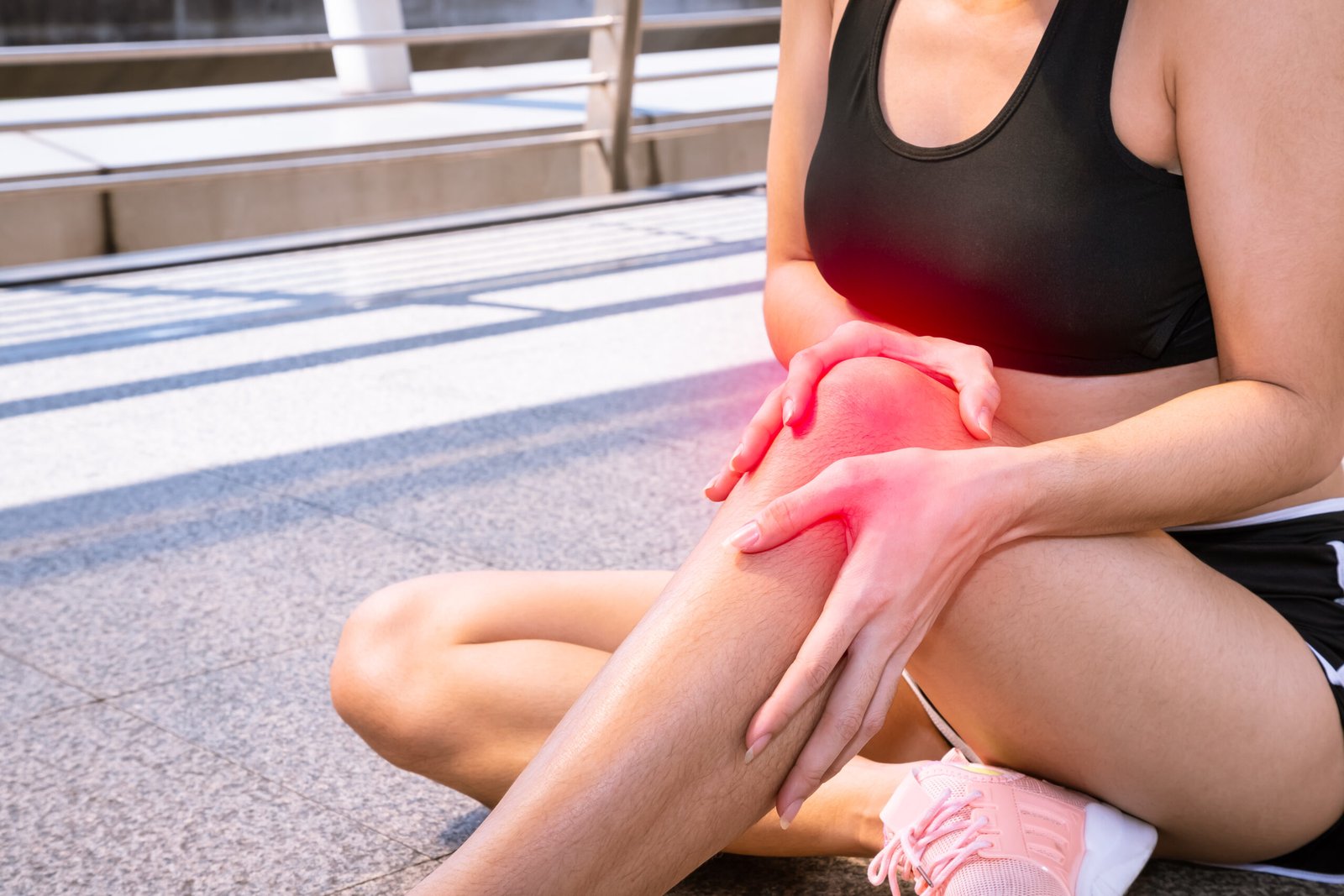
A sudden pop in the knee during a tackle, a cutting movement, or a jump landing, followed by rapid swelling and a sense that the knee is unreliable, is the classic presentation of an ACL tear. It is one of the most recognised sports injuries in India, particularly in cricket, football, basketball, and kabaddi, and one that Dr. Kushalappa Subbiah has extensive experience managing in both competitive athletes and active individuals.
What is ACL Tears?
The Achilles tendon is the strongest tendon in the body, connecting the gastrocnemius and soleus calf muscles to the calcaneus heel bone. Injuries range from Achilles tendinopathy, which involves degenerative changes and inflammation within the tendon, to partial tears, and complete ruptures where the tendon severs entirely. Running athletes, racquet sport players, and jumping sport athletes including basketball and volleyball players are the most frequently affected groups.
Types of ACL Tears
Type I
Grade I Sprain: The ACL fibres are stretched but the ligament is intact and provides normal restraint. The knee is stable on clinical examination. Most patients recover fully with physiotherapy within 4 to 6 weeks.
Type II
Grade II Sprain (Partial Tear): The ACL is partially disrupted, with some fibres torn and others intact. The knee may have mild laxity on the Lachman test. MRI is required to characterise the extent of injury. Some partial tears respond to conservative management; others, particularly in active athletes, may benefit from surgical reconstruction.
Type III
Grade III (Complete Tear): The ACL is completely disrupted. The knee has positive Lachman and pivot shift tests. The knee is functionally unstable during cutting and pivoting activities. Surgical ACL reconstruction is recommended for active patients wishing to return to sport.
Causes
Non-contact mechanisms, such as sudden deceleration, change of direction, or awkward landing, account for the majority of ACL tears. Direct contact injuries, including tackles and collisions in football and cricket, are also a significant cause. Female athletes are at a higher inherent risk due to biomechanical and anatomical factors.
- A loud pop or popping sensation in the knee at the time of injury
- Immediate and severe pain, though this can settle quickly
- Rapid swelling of the entire knee within hours of the injury
- A feeling that the knee is unstable, loose, or giving way
- Inability to continue playing immediately after the injury
- Difficulty walking, particularly with directional changes

Diagnosis
Physical examination using the Lachman test and pivot shift test is the most reliable clinical assessment for ACL integrity. MRI confirms the diagnosis, assesses the extent of the tear, and identifies associated meniscal or cartilage injuries that will influence surgical planning.
Treatment
ACL Reconstruction
For complete ACL tears in active patients and athletes wishing to return to pivoting and cutting sport, Dr. Kushalappa performs arthroscopic ACL reconstruction. The torn ligament is replaced with a tendon graft, most commonly the hamstring tendons from the same knee. Using arthroscopic technique, the graft is fixed to the femur and tibia through precisely placed bone tunnels, recreating the anatomy and function of the original ACL. The procedure is performed under general anaesthesia as a day case. Recovery follows a structured physiotherapy protocol from week one. Return to straight-line running typically occurs at 3 to 4 months, with return to full pivoting and cutting sport at 9 to 12 months. Criteria-based return to sport testing, rather than time-based milestones alone, guides the final clearance.
Why Choose Dr. Kushalappa Subbiah in Bangalore?
Dr. Kushalappa Subbiah completed a Fellowship in Shoulder Surgery at the Sydney Shoulder Research Institute, where he trained in advanced arthroscopic shoulder procedures including labral repair and reconstruction. He holds the International Olympic Committee (IOC) Diploma in Sports Medicine, and has direct clinical experience managing shoulder injuries in Indian athletes across cricket, swimming, tennis, and contact sports. He is appointed as a Consultant Shoulder Surgeon at NH Hospital, Bangalore.
Frequently Asked Questions
A completely torn ACL cannot heal on its own. However, not all patients require surgery. Older or less active individuals with low functional demands may live with a reconstructed knee using physiotherapy-based neuromuscular training and bracing. Surgery is strongly recommended for active patients and athletes who wish to return to pivoting and cutting sport.
Dr. Kushalappa typically uses hamstring tendon autograft, taken from the patient's own knee, which provides excellent outcomes and lower donor site morbidity than patellar tendon graft. The choice of graft is discussed with each patient individually based on their sport, age, and anatomy.
Return to full competitive sport with cutting, pivoting, and sprinting is typically at 9 to 12 months following ACL reconstruction. This timeline is guided by physiotherapy milestones and functional testing criteria, not a fixed date.
Yes. ACL reconstruction is performed entirely arthroscopically through small keyhole incisions, with no need for a large open incision in the knee.