6935 Todds Lane San Antonio, TX 98336
Our Working Time: 09:00 am To 06:00 pm

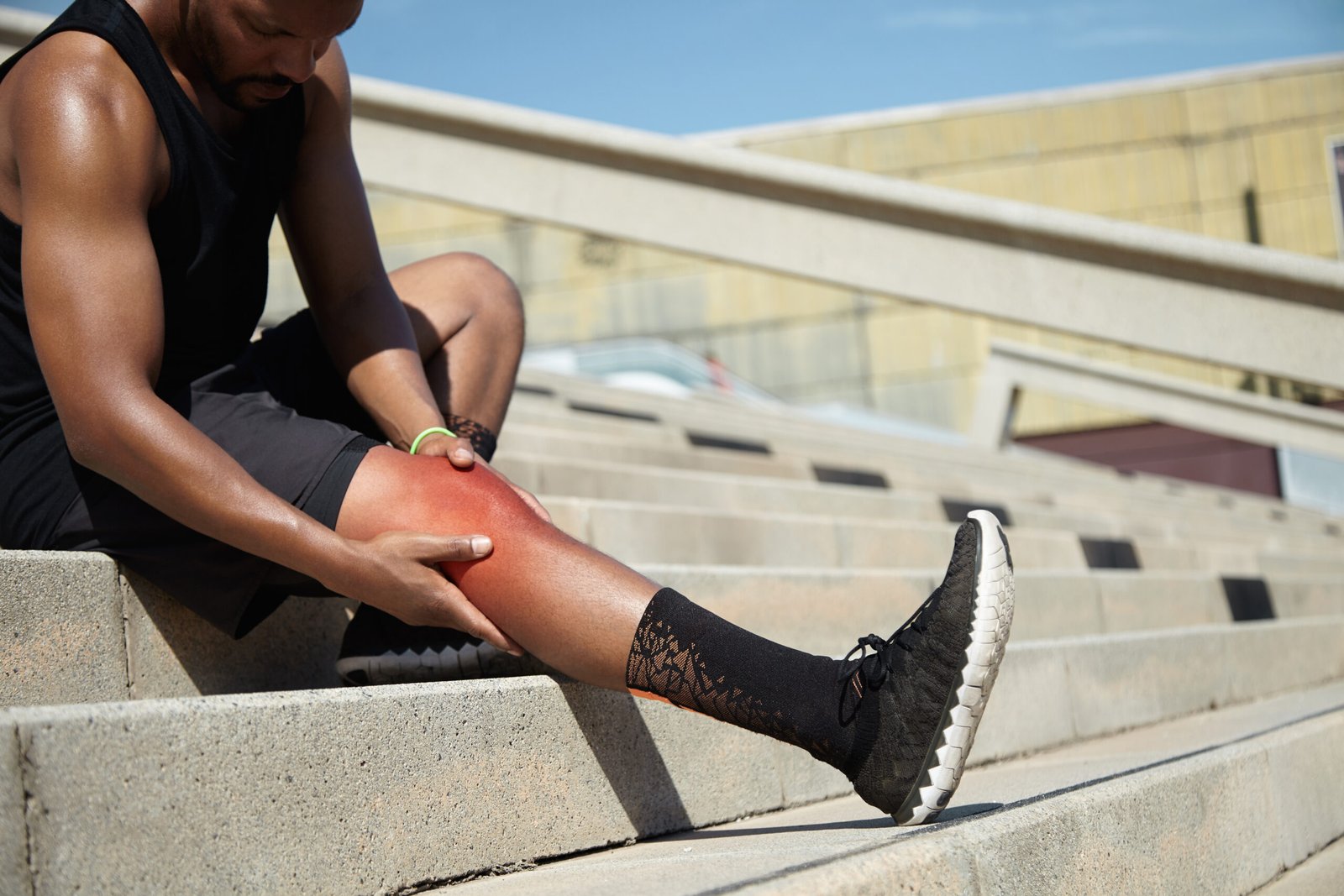
Knee pain that developed after a twisting injury or deep squat, combined with swelling, a clicking or catching sensation, and occasional locking of the joint, are the characteristic symptoms of a meniscal tear. It is one of the most common knee injuries in both athletes and the general population.
What is Knee Meniscal Tears?
The meniscus is a C-shaped wedge of fibrocartilage that sits between the femur and tibia in the knee. Each knee has two menisci, the medial on the inner side and the lateral on the outer side. They act as shock absorbers, improve load distribution, and contribute to knee stability. When torn, the damaged segment can catch and lock within the joint, causing significant pain and functional limitation.
Types of Knee Meniscal Tears
Type I
Vertical Longitudinal Tear: A tear running along the length of the meniscus, parallel to its circumference. Bucket-handle tears are the most significant subtype, where a large longitudinal fragment displaces into the joint and causes locking of the knee. These are the tears most amenable to arthroscopic repair.
Type II
Radial Tear: A tear running perpendicular to the meniscal circumference, cutting across the fibres that provide the meniscus its hoop stress function. Radial tears significantly impair the load distribution function of the meniscus. Repair is technically challenging and meniscectomy of the unstable portion is often performed.
Type III
Horizontal Tear: A tear running parallel to the tibial plateau, splitting the meniscus into upper and lower leaves. Common in older patients as a degenerative pattern. May be associated with meniscal cyst formation.
Type IV
Complex Tear: A tear involving multiple planes and patterns within the meniscus. More commonly seen in degenerative menisci in older patients. Meniscectomy of the unstable fragments is typically performed.
Type V
Root Tear: A complete avulsion of the meniscal root at its tibial attachment, producing complete loss of the hoop stress mechanism of the meniscus and equivalent functional deficit to total meniscectomy. Surgical repair is strongly recommended in younger patients.
Causes
Twisting of the knee with the foot planted, deep squatting with a loaded knee, and direct contact during sport are the common acute mechanisms. In older patients, degenerative meniscal tears can occur without a specific injury, representing wear and tear of the fibrocartilage tissue over time.
- Pain along the joint line of the knee, either medially or laterally depending on which meniscus is torn
- Swelling that develops over hours to days following the injury
- Stiffness and difficulty fully bending or straightening the knee
- Locking of the knee in a fixed position, most often caused by a bucket-handle tear
- A feeling that the knee gives way during activity

Diagnosis
Clinical examination including the McMurray test and joint-line tenderness assessment directs the diagnosis. MRI is the primary imaging tool and characterises the tear type, location, and size, which directly influences the treatment decision.
Treatment
Meniscus Repair
When the tear is in the vascular outer zone of the meniscus, where healing is possible, Dr. Kushalappa performs arthroscopic meniscus repair. The torn edges are sutured together using inside-out or all-inside techniques, preserving the meniscal tissue. Repair is preferred over removal wherever possible, as preserving the meniscus significantly reduces the long-term risk of knee arthritis. Repair is particularly indicated in younger patients and in ACL-associated meniscal tears. Recovery is longer than after meniscectomy, with return to sport at 4 to 6 months.
Arthroscopic Partial Meniscectomy
For tears in the avascular inner zone where healing is not possible, or for degenerative tears in older patients, Dr. Kushalappa performs arthroscopic partial meniscectomy, where the unstable torn fragment is precisely trimmed to a stable rim. Recovery is rapid, with most patients returning to sport within 4 to 6 weeks.
Why Choose Dr. Kushalappa Subbiah in Bangalore?
Dr. Kushalappa Subbiah completed a Fellowship in Shoulder Surgery at the Sydney Shoulder Research Institute, where he trained in advanced arthroscopic shoulder procedures including labral repair and reconstruction. He holds the International Olympic Committee (IOC) Diploma in Sports Medicine, and has direct clinical experience managing shoulder injuries in Indian athletes across cricket, swimming, tennis, and contact sports. He is appointed as a Consultant Shoulder Surgeon at NH Hospital, Bangalore.
Frequently Asked Questions
Not necessarily. Small, stable tears that are not causing locking and do not affect daily function can sometimes be managed with physiotherapy. However, tears causing mechanical symptoms such as locking, catching, or recurrent swelling generally benefit from surgical treatment.
Repair sews the torn meniscus back together to heal, preserving the tissue and protecting the joint long-term, but requires a longer recovery. Meniscectomy removes the unstable fragment, providing faster symptom relief but with reduced shock-absorbing capacity in the long term. Dr. Kushalappa always tries to repair when the tear location and pattern make it feasible.
Loss of meniscal tissue, particularly after total or subtotal meniscectomy, increases the contact stresses in the knee and is a recognised risk factor for earlier onset of knee arthritis. This is why preserving the meniscus through repair is prioritised when surgically possible.